In today’s fast-changing world, where more and more people are leaning into sustainable living, the urge to reconnect with nature — even if it’s on a balcony, a roof terrace or a small backyard — has never been stronger. That’s where a platform like Seed and Feed makes all the difference. With a commitment to quality seeds, farming supplies, and support for growers, Seed and Feed is a beacon for gardeners, home-farmers, and agriculture enthusiasts alike.
Whether you are a seasoned gardener or a curious beginner, the journey from a tiny seed to a thriving plant is magical — and deeply rewarding. In this blog post, we’ll explore what Seed and Feed stands for, how you can benefit from its offerings, and practical tips to help you get started (or improve) your gardening experience.
Why Seed and Feed Matters
Before we dive into the how-to’s, let’s understand why Seed and Feed holds such significance in the gardening/agriculture space.
- Quality and Trust: Seed and Feed is dedicated to supporting farmers and gardeners with reliable tools and products.
- Accessibility for All: Whether you’re working on a small balcony garden or a larger backyard plot, their offerings make agriculture accessible to many.
- Sustainable Vision: By providing seeds and farming supplies, they indirectly foster sustainable and self-sufficient living — a counter to mass-produced, store-bought produce.
- Support & Guidance: Their “About Us” and contact information suggests a readiness to help end-users — be it farmers or hobby gardeners.
In short: Seed and Feed is more than just a shop — it’s a bridge between urban/suburban living and home-grown, sustainable produce.
Getting Started: From Browsing to Planting
1. Exploring the Seed and Feed Catalogue
When you visit the Seed and Feed website, you will find a variety of seeds and products tailored for different needs.
Pointers:
- Look out for seeds suitable to your climate & region.
- Check if they offer vegetable seeds, flower seeds, or even fodder seeds if you have livestock or plan small-scale farming (in regions where that applies).
- Use their contact support — they are reachable for queries about products and orders.
Sub-pointers:
- If you live in an apartment or have limited space, consider compact or container-friendly plants.
- For open gardens, look for seeds that thrive in full or partial sun, suitable for your region’s soil and weather.
- For first-time growers: maybe start with hardy, low-maintenance plants (vegetables or herbs) before trying exotic or delicate species.
Transitioning from traditional supermarket produce to home-grown gardening often starts with a simple seed packet.
2. Ordering & Support
One of the major advantages of Seed and Feed is the ease of accessing quality seeds and products without stepping out.
Pointers:
- You can place orders online and have products delivered. This convenience is especially valuable for people with busy lives or urban living situations.
- Their contact page is available — so if you have doubts about seed types, growing conditions, or order status, they seem approachable.
Sub-pointers:
- Before ordering, check if they ship to your area (important if you live outside major cities or in remote regions).
- Store seeds properly when they arrive — cool, dry places are ideal to maintain seed viability.
- If you are new, reach out for recommendations — experienced shops often help guide beginners on seed selection and sowing techniques.
Starting small and seeking support can make the journey from seed to harvest far more enjoyable — and successful.
Gardening with Confidence: Best Practices & Tips
Once you have your seeds ready, good planting and maintenance practices make the difference between a thriving garden and a disappointing harvest. Here are some simple yet effective guidelines.
🧑🌾 Soil, Sunlight & Water: The Essentials
- Soil preparation matters: Before sowing, ensure your soil (or potting mix) is well-prepared. Add compost or organic matter to enrich the soil.
- Sunlight is key: Most vegetables and flowers need 6–8 hours of sunlight daily. Choose a spot (balcony, terrace, window ledge or garden corner) accordingly.
- Water wisely: Water gently to keep the soil moist — avoid overwatering to prevent fungal or root issues.
Sub-pointers:
- For container gardening: choose pots or grow bags with proper drainage holes.
- If using terrace or balcony: ensure safety, proper drainage, and weight-bearing capacity (especially for larger pots).
- Use mulch or organic cover to retain moisture and control weeds.
🌿 Choosing What to Grow: Vegetables, Herbs, or Flowers
Depending on your interest and space, you can choose:
- Vegetables & Herbs — great for home cooking, fresh salads, and healthy meals.
- Flowers — adds beauty to your space, and many flower plants are low-maintenance.
- Mixed garden (herbs + veggies + flowers) — blending utility with beauty.
Sub-pointers:
- Start with hardy vegetables like tomatoes, beans, leafy greens, herbs (basil, coriander, mint) — easier for first-timers.
- For flowers: choose resilient flowers suited to your region’s climate.
- Rotate plants seasonally: some grow well in cooler weather, others in warmer months.
🪴 Pot & Container Gardening: Ideal for Urban Spaces
If you live in a city or have limited outdoor space, pot/container gardening is a blessing.
- Use grow bags, big pots, or balcony railing planters.
- Ensure drainage and proper potting mix.
- Position containers where they get adequate sunlight.
Sub-pointers:
- Use light-weight pots if you are placing them on balconies or terraces.
- Move pots around if needed — sometimes sunlight or shade availability changes with seasons.
- Consider vertical gardening or trellis support if space is very limited.
Benefits of Growing Your Own Garden (With Seed and Feed)
Growing your own garden offers many rewards beyond just fresh produce.
✅ Health & Nutrition
- Home-grown vegetables and herbs mean fewer chemicals, fresher produce, and better nutrition.
- Herbs grown at home — like basil, mint, coriander — are fresh and flavourful, enhancing home-cooked meals.
🌍 Environmental & Sustainability Impact
- Reduces carbon footprint (less reliance on transported vegetables).
- Encourages biodiversity — even small gardens can support pollinators, bees, birds, and beneficial insects.
- Reduces plastic waste — fewer packaged produce, more natural harvesting.
🧘 Mental & Emotional Well-being
- Gardening is therapeutic — the act of sowing, nurturing, and harvesting can reduce stress.
- Turning a piece of balcony or terrace into a green haven can improve living ambience and air quality.
- Sense of accomplishment — growing your own food gives a rewarding, fulfilling feeling.
💡 Economic Benefits
- Over time, home-grown produce can save money compared to buying vegetables or herbs regularly.
- For small-scale farming or kitchen gardens, seed costs are relatively low, with long-term yields.
What Makes Seed and Feed Stand Out
There are many seed suppliers out there — but here’s why Seed and Feed stands out as a strong choice.
- Dedicated to farmers and gardeners: Their website’s “about us” emphasizes support for growers, whether small-scale or larger agricultural users.
- Ease of access & support: They offer contact support for queries and order assistance.
- Trusted source in a crowded market: In a world where seed quality can vary widely, having a trusted supplier makes a big difference.
- Potential for both home gardening and small-scale agriculture: Whether you’re growing herbs on your balcony or cultivating a larger plot, Seed and Feed caters to various needs.
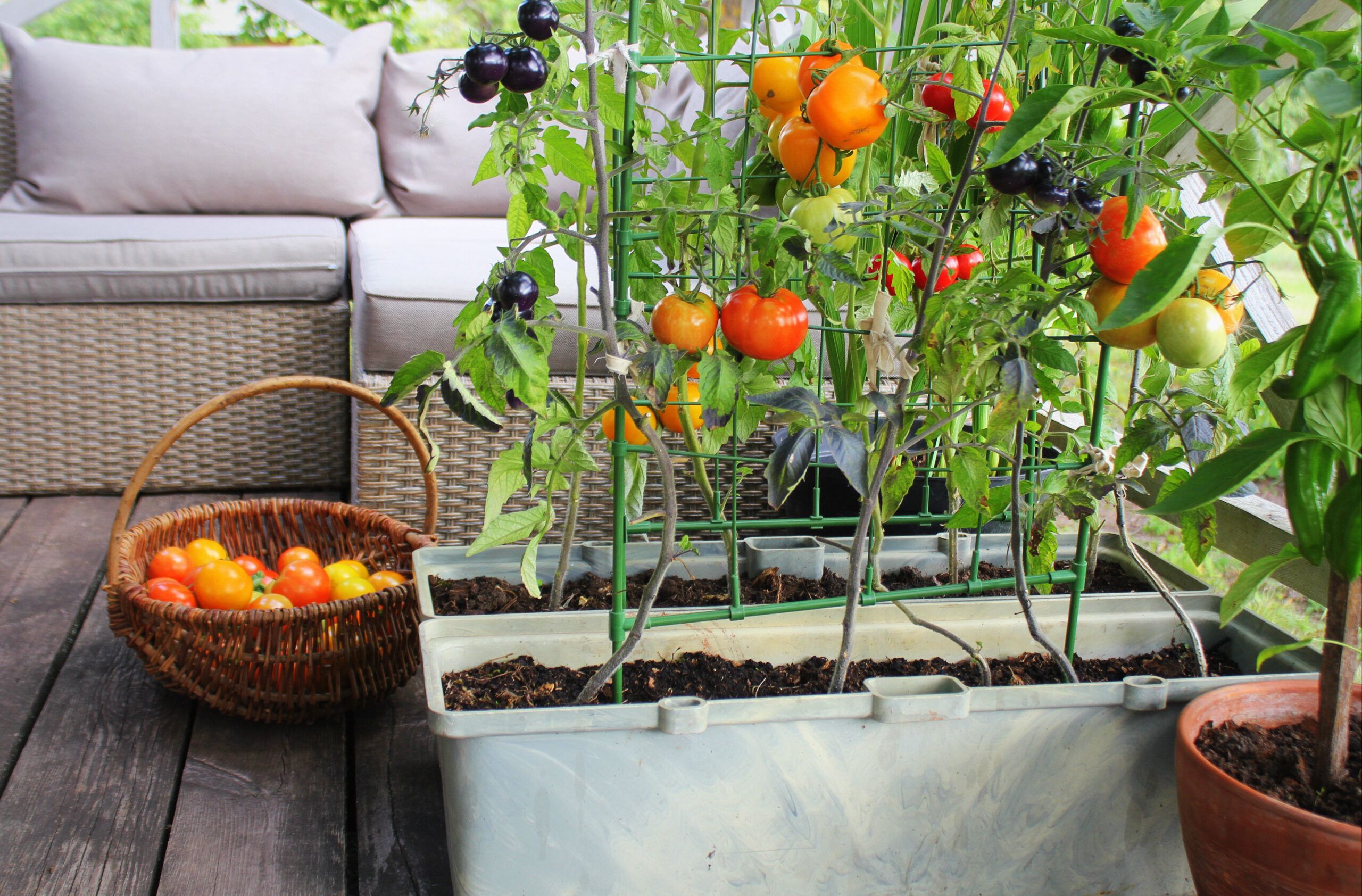
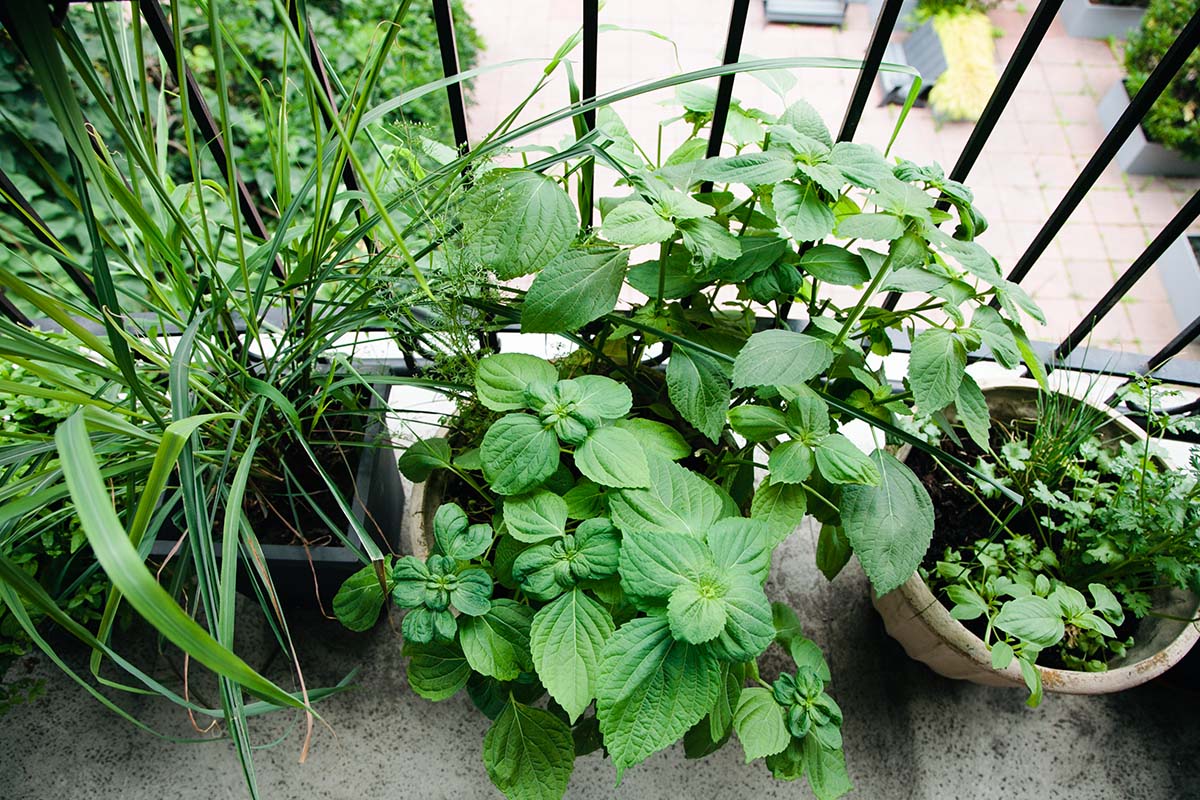
🌻 Visual Inspiration: What Your Garden Could Look Like

8
Imagine stepping into a little green space you nurtured — lush leaves, vibrant flowers, fresh herbs ready to pick, or vegetables ripening in their pots. That’s the beauty of growing your own garden with Seed and Feed.
Common Mistakes to Avoid & How to Overcome Them
Every gardener — beginner or experienced — makes mistakes. What matters is learning and adapting.
❗ Mistake: Overwatering or Under-watering
- Why it happens: Some plants are sensitive — overwatering can drown roots; underwatering can cause wilting.
- How to avoid: Check soil moisture before watering; water deeply but infrequently rather than lightly every day. Use well-draining soil/pots.
❗ Mistake: Ignoring Sunlight Requirements
- Why it happens: Many plants need 6–8 hours of direct sunlight; balconies often get partial sun/shade.
- How to avoid: Observe your space — which spots get morning sun, afternoon sun, or shade — and pick plants accordingly. Rotate pots if needed.
❗ Mistake: Using Poor Quality Seeds or Soil
- Why it happens: Cheap seeds may have poor germination; soil may lack nutrients.
- How to avoid: Buy from trusted suppliers — like Seed and Feed. Prepare soil with compost or organic matter. Consider compost, manure, or balanced fertilizer if needed.
❗ Mistake: Neglecting Plant Care & Maintenance
- Why it happens: Busy schedules, neglect, or just lack of planning.
- How to avoid: Set a routine — watering schedule, periodic fertilization, pruning, pest inspection. Even 10–15 minutes a few times a week can keep a garden healthy.
Real-Life Scenarios: Who Can Benefit Most from Seed and Feed
🏙️ Urban Dwellers & Apartment Residents
- Limited space? No garden? No problem — balcony or terrace gardening with pots and containers works wonderfully.
- Great for fresh herbs, small veggies (tomatoes, beans, leafy greens) or decorative plants.
🏡 Homeowners with Backyard or Small Plot
- More variety — vegetables, flowers, herbs, perhaps small fruit plants.
- Opportunity to experiment with crop rotation, mixed planting, maybe even small kitchen garden setups.
👨🌾 Hobby Gardeners & First-Time Growers
- Home gardening is fulfilling. Starting small (herbs, vegetables) helps build confidence.
- Seed and Feed’s quality seeds plus guidance make things easier.
👩🌾 Small-scale Farmers / Growing for Consumption
- For those wanting to grow for family consumption or local sale, Seed and Feed could be a reliable seed supplier.
- Encourages sustainable agriculture and self-reliance.
Getting Started: Step-by-Step Mini Guide
Here’s a simple, beginner-friendly roadmap to start your gardening journey with Seed and Feed.
- Visit the Seed and Feed website — explore available seeds and products.
- Decide what you want to grow — herbs, vegetables, flowers or a mix. Consider space, sunlight, and your cooking/usage needs.
- Order seeds (and pots/grow bags if needed). Use their contact/support if you have doubts.
- Prepare soil/pots — use good potting mix with compost, ensure drainage.
- Sow seeds as per instructions — depth, spacing, and initial watering.
- Provide proper care — watering, sunlight, occasional fertilization or compost, and pest monitoring.
- Harvest or enjoy — pick herbs, vegetables or admire flowers. Share produce with family or friends.
- Plan for next crop/season — rotate plants, replenish soil nutrients, or try something new.
With each cycle, you’ll learn more — and become more confident.
The Broader Impact: Gardening, Sustainability & Community
When more people — even in urban areas — start home gardening, the ripple effect is meaningful:
- Less dependency on large-scale agriculture: home-grown produce reduces pressure on large farms and supply chains.
- Promoting biodiversity: small gardens, balconies, terraces collectively contribute to more green cover, pollinators, and healthier ecosystems.
- Healthier lifestyle: access to fresh, organic vegetables & herbs, more home-cooked meals, less reliance on packaged produce.
- Educational & community value: home gardening spreads awareness, especially if families involve children — they learn about plants, seasons, and sustainability.
In essence, platforms like Seed and Feed are doing more than commerce — they are enabling a shift towards sustainable, mindful living.
🎯 A Few Quick Tips for Success
- Start small — don’t overwhelm yourself with too many plants at first.
- Choose easy-to-grow varieties if you’re a beginner (herbs, leafy greens, cherry tomatoes).
- Observe — sunlight patterns, watering needs, soil moisture — and adapt.
- Be patient — gardening is a journey, not a race.
- Enjoy the process — the joy comes as much from nurturing as from harvesting.
Conclusion: Grow More Than Just Plants — Grow a Lifestyle
Gardening isn’t just about growing plants. It’s about cultivating patience, nurturing life, reconnecting with nature — and gaining a sense of fulfillment that modern urban life often lacks. With a platform like Seed and Feed, the path to sustainable living, home-grown produce, and green spaces becomes easier and more accessible than ever.
So whether you have a balcony, a small backyard, or a big field, now is the best time to pick up a seed packet, prepare your soil, and start growing. Because every tiny plant you nurture is a step towards a greener planet, a healthier home, and a fulfilling lifestyle.
Happy gardening — and may your green journey flourish! 🌿